5 daily Tongan greetings you can use today!

Mālō e lelei is hello in Tongan 👋🏽. It literally means thank you for being good. But did you know that Tongan greetings are more than just a one word hello. It is a beautiful phrase that acknowledges and shows gratitude. There are variations and using these phrases can help to build relationships and connection.

Here are 5 common phrases you can use today within your family and household.

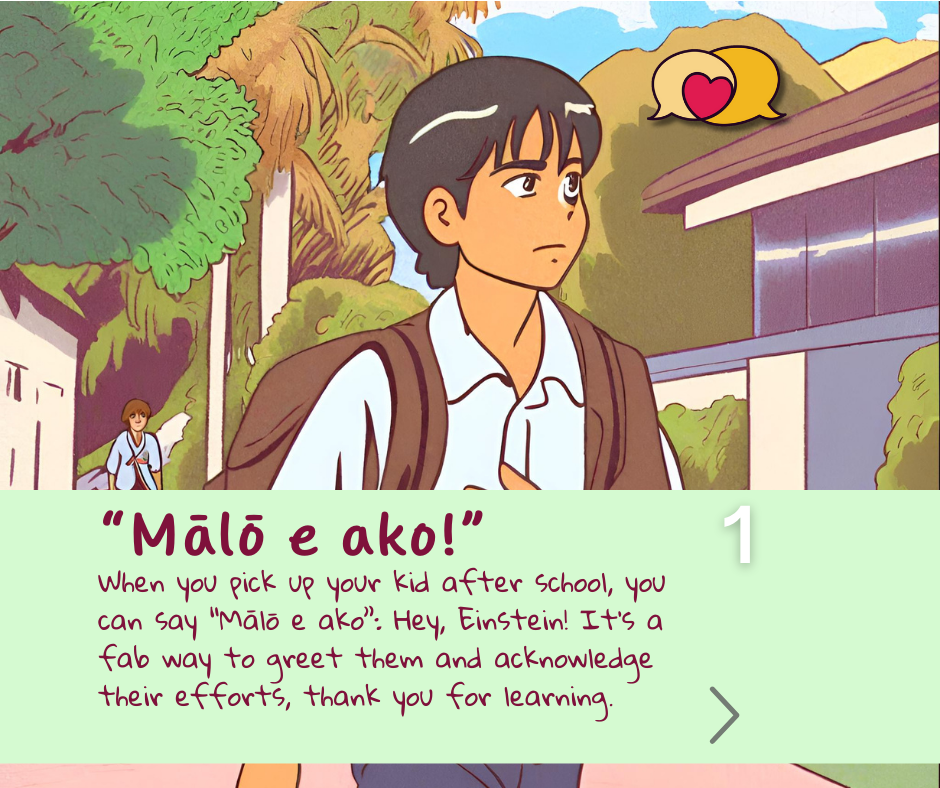
  1. Mālō e ako! say this when you pick up your kid after school. What he hears is Hey Einstein, its a great way to greet and acknowledge their efforts learning.
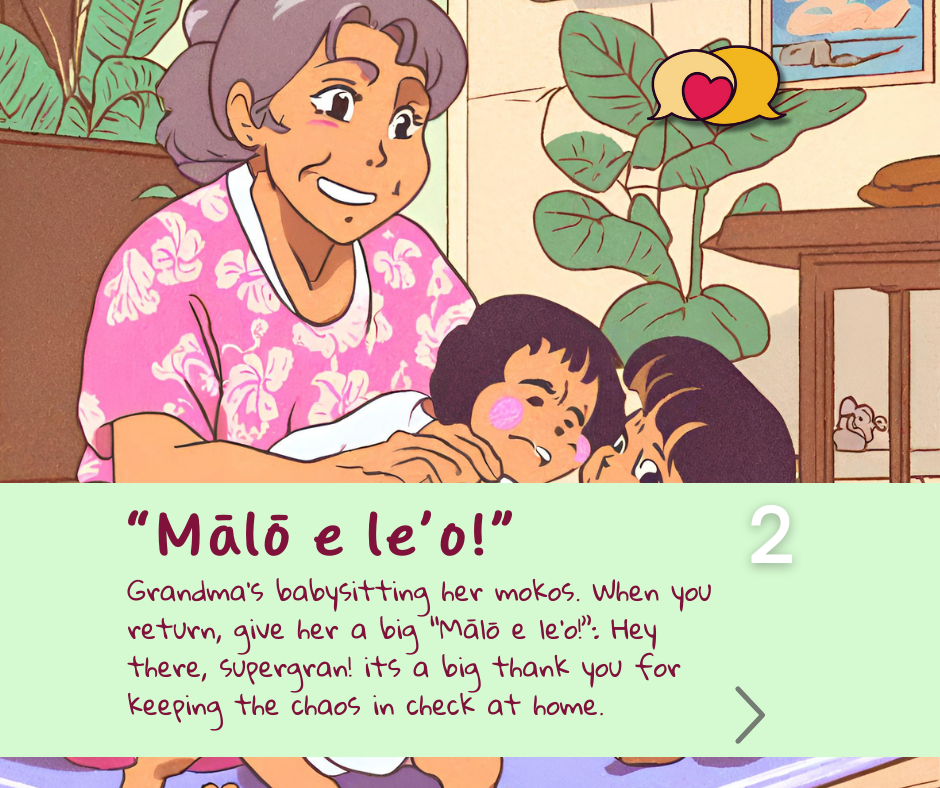
  2. Mālō e le’o! say this when grandma’s babysitting her mokos all day and you return. She hears Hey there Supergran! a big thank you for keeping the chaos in check at home.
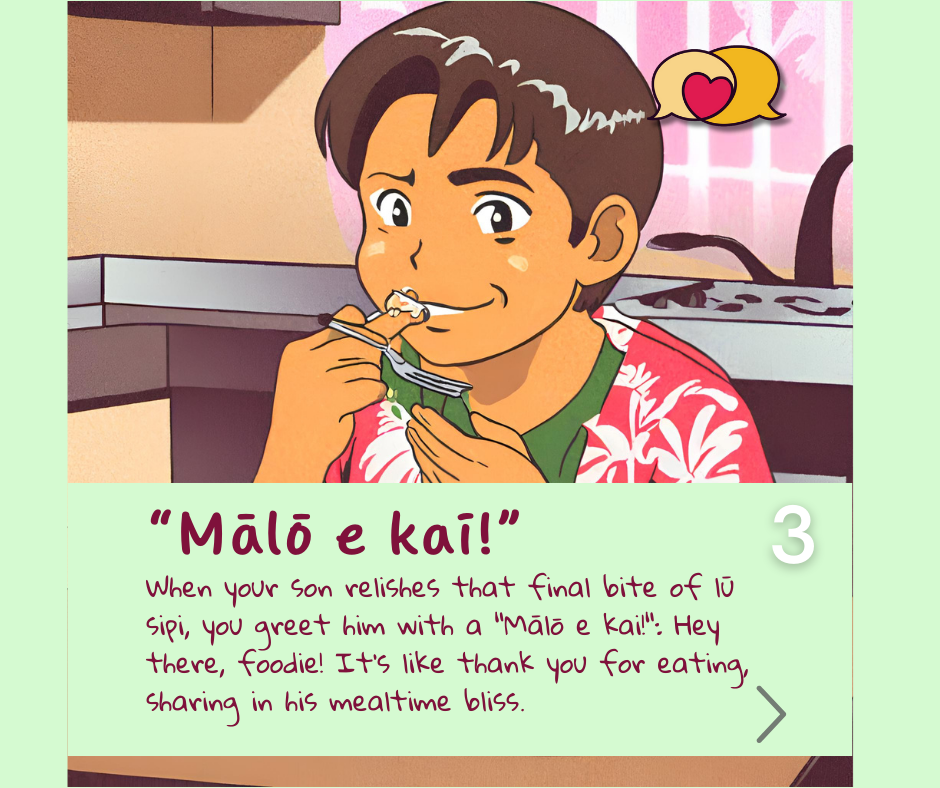
  3. Mālō e kai! say this greeting your child who seems to be relishing that last piece of lu sipi. He hears, Hey there foodie! thanks for eating i share in your blissful mealtime moment.
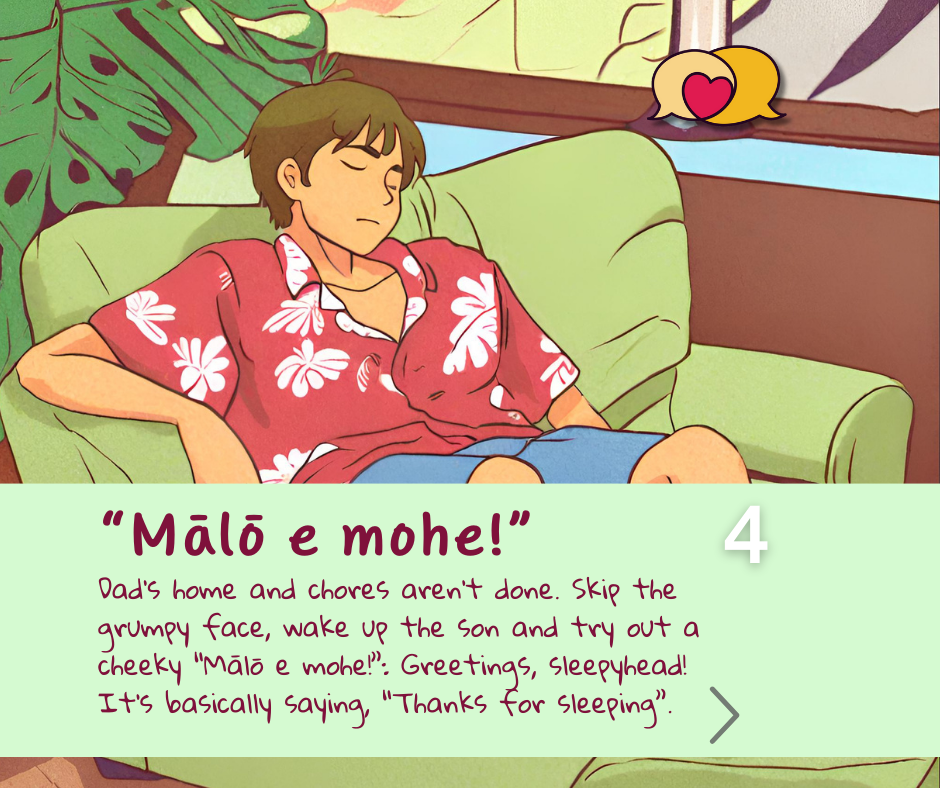
  4. Mālō e mohe! say this when your son chooses sleep over chores. He hears thanks for sleeping, now go do your chores.
  5. Mālō e afe mai! say this to a guest who pops in on your socials or at home with the gift of presence, wisdom, food etc. Thanks for stopping by this way.

SHARE your favourite and how you went using them.

LIKE, FOLLOW, COMMENT & SHARE for more content @lets_learntongan #greetingschallenge #languagelodge #languagelodge2024
Sunday School questions: Fehu‘i mo e tali

One of the few memories I have of Sunday school back in the Kingdom is the fehu’i mo e tali that kids learn at Siasi Tonga Tau’ataina. I loved hearing it because the answers were always said back in a tune chant like manner which made it easy for kids to learn off by heart. Here are some of the first basic questions that all the children learn at Sunday School about God. I often out of the blue ask these simple questions of my kids as a reminder of Gods presence and love for them. And always good to practise as much Tongan as possible with them. These are also great basic questions that you can use to build your vocabulary and ask other questions.

Who made you? God.
Who made you? God.

Who is God? Our Father in Heavan.

Where is God? He is everywhere.

Does God love you? Yes, he loves all things he created


The limits of my Tongan language

The limits of my language

The goal for my blog in 2014 is to make learning the Tongan language easy, fun and shareable for you all in this digital age. Like climbing a coconut tree the view is better from the top but we can only share as much as we know. The limits of my language (ie my understanding of the Tongan language and culture) is the truly the limits of our own world. For parents who are fluent in Tongan please do not limit the view of your children. For those trying to improve, join in the conversation via our socail media page and let us broaden our horizon’s together.

Write a lunch note of ʻofa

Lunch note for my 7yo daughter
Lunch note for my 7 yo daughter

Kidʻs love to receive notes. Even better when it is a surprise. Try writing a note in Tongan and leave it in your kids lunch box if they are old enough to read. As you incorporate more Tongan words into your childrenʼ vocabulary and/ or yourself, they will soon learn to love speaking in Tongan. You could expand this to suit your circumstance. The possibilities are endless.

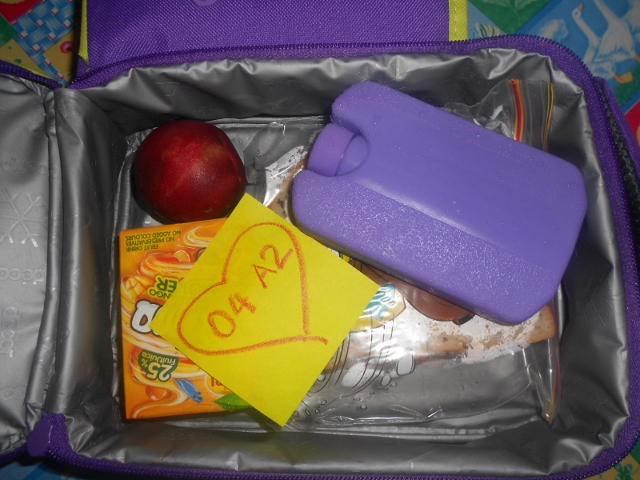
The picture above was a note I wrote for my eldest daughter. It was her first day back at school today. She started year 2 or second grade. I have noticed she is speaking a lot less Tongan since beginning primary (elementary) school. So I try to incorporate more of the Tongan language where ever I can for her.

I wrote a little note ʻofa atu = love to you. I thought she might have problems reading it but the love heart gave it away. Her reaction after school was worth all the effort

Tu’a ‘ofa atu