In celebration of Tonga Day and the Tsunami that is MMT, a free gift for you all.
‘Ofa lahi atu ki he kainga Tonga kotoa pe. #Tonga #MMT


Learning Tongan for beginners
In celebration of Tonga Day and the Tsunami that is MMT, a free gift for you all.
‘Ofa lahi atu ki he kainga Tonga kotoa pe. #Tonga #MMT
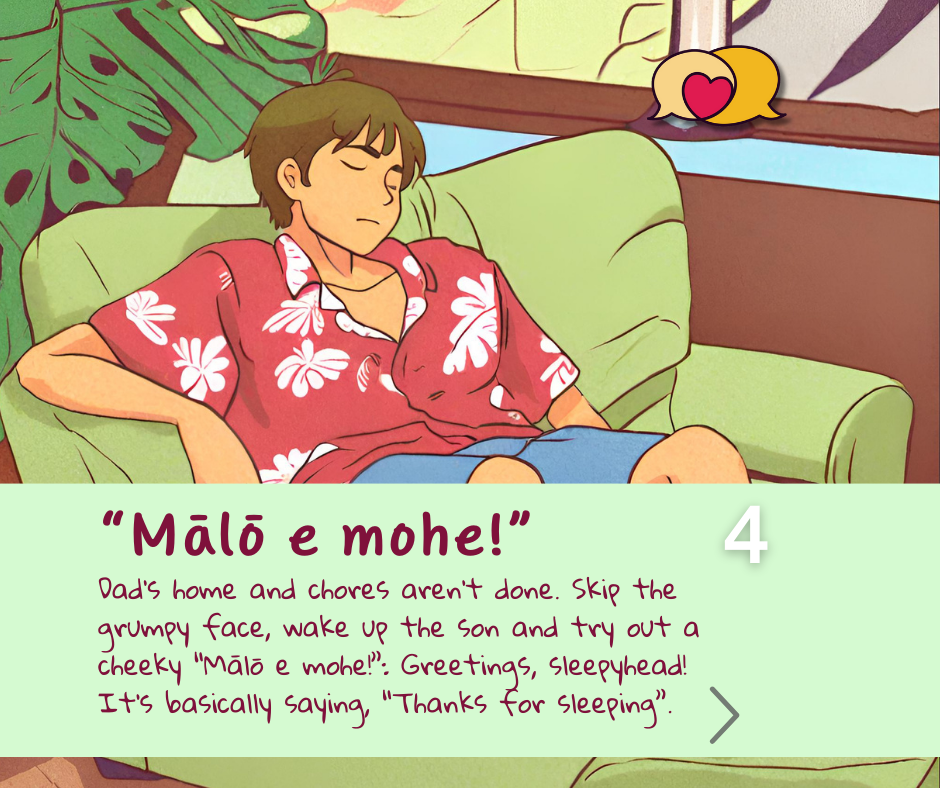
Mālō e lelei is hello in Tongan  . It literally means thank you for being good. But did you know that Tongan greetings are more than just a one word hello. It is a beautiful phrase that acknowledges and shows gratitude. There are variations and using these phrases can help to build relationships and connection.
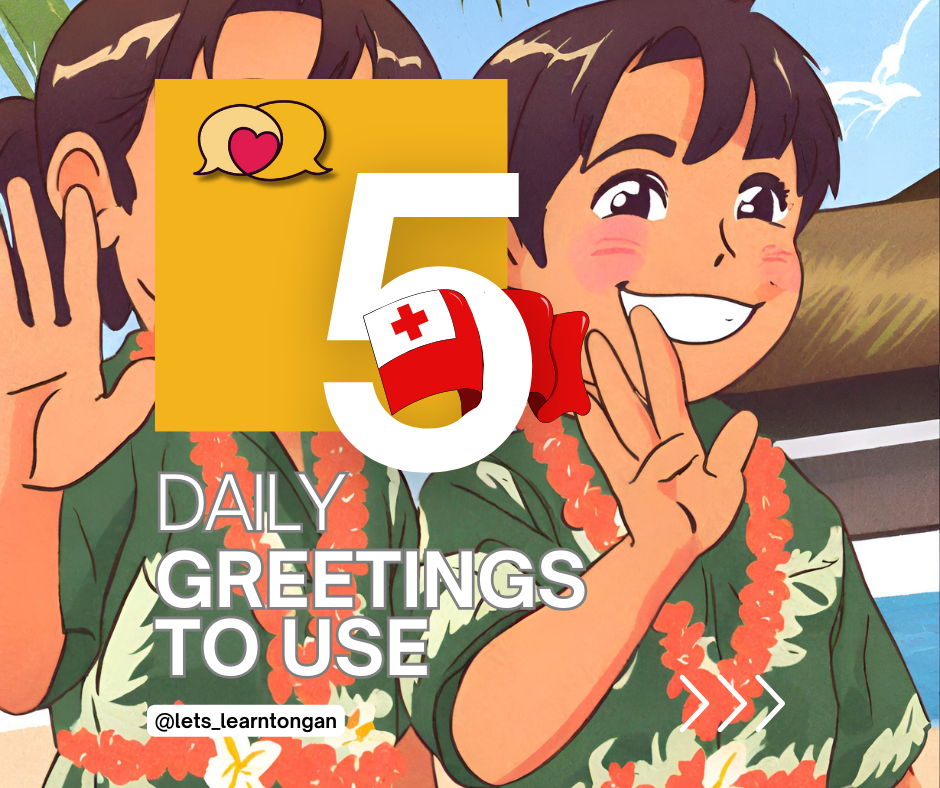
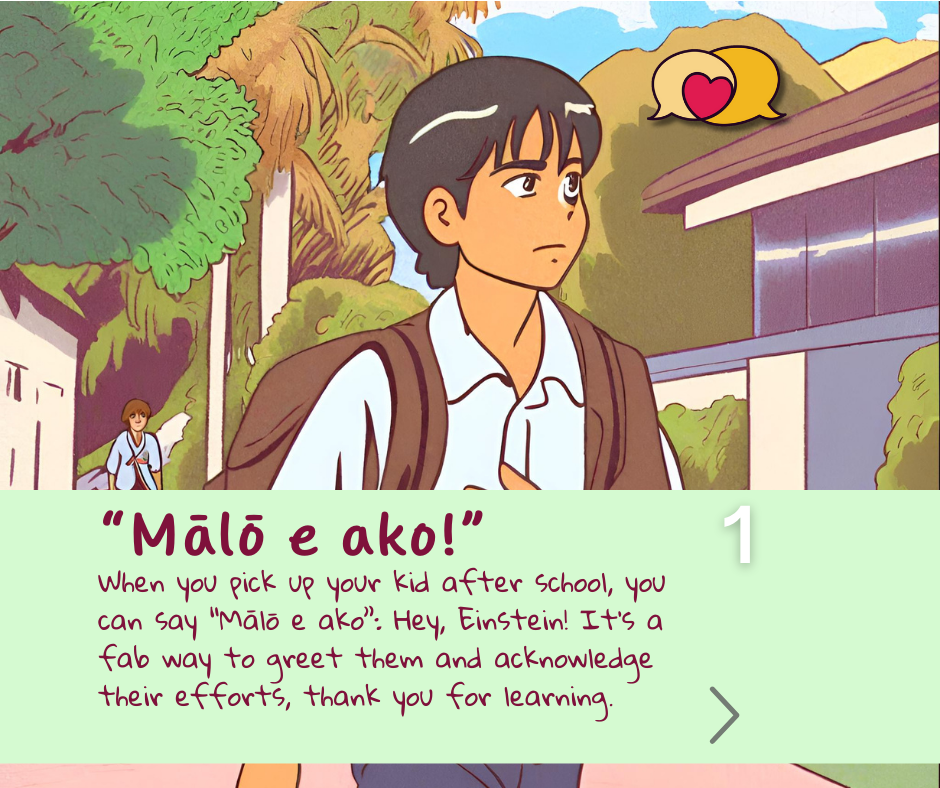
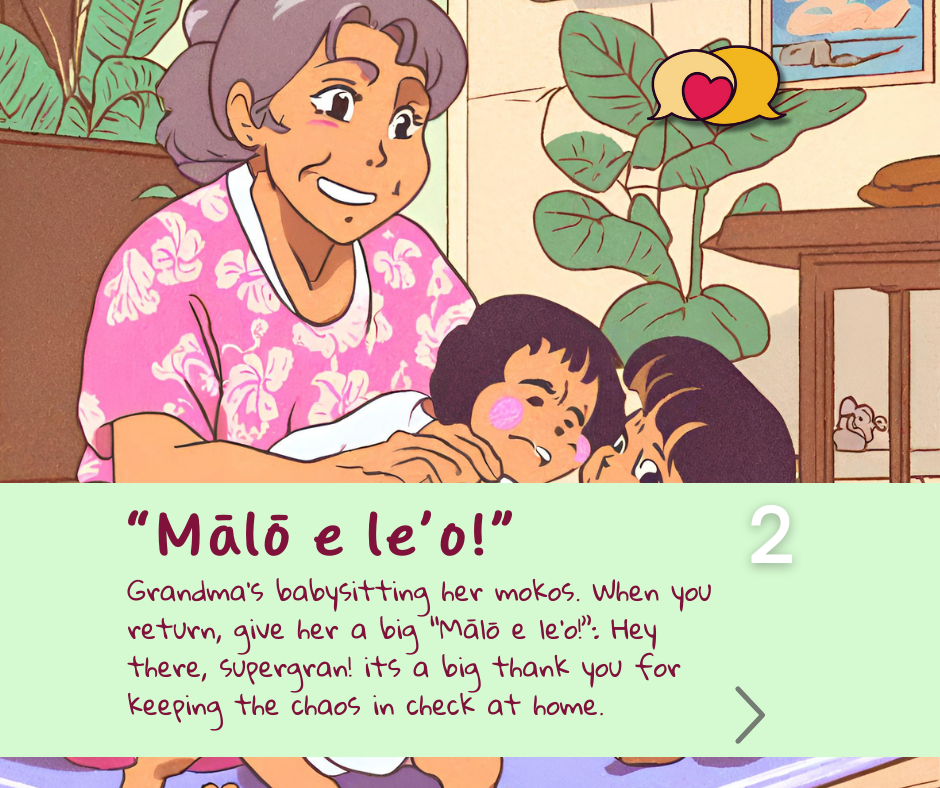
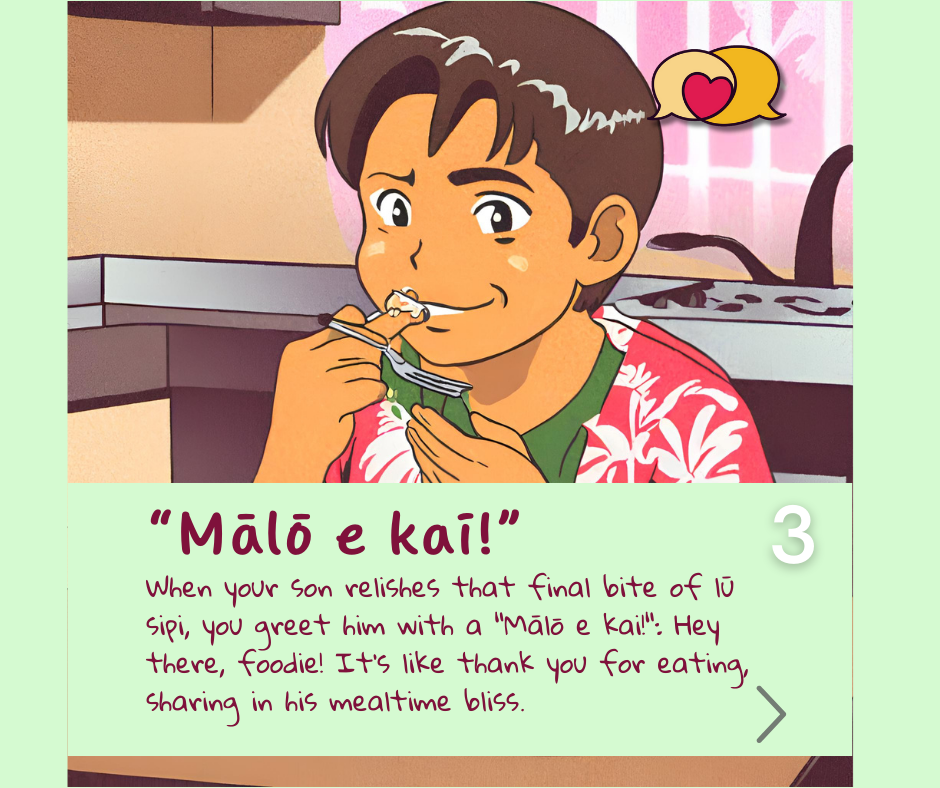
Here are 5 common phrases you can use today within your family and household.
SHARE your favourite and how you went using them.
LIKE, FOLLOW, COMMENT & SHARE for more content @lets_learntongan #greetingschallenge #languagelodge #languagelodge2024

I came across this video which is timely with ‘Aotearoa celebrating yet another Tongan language week. To add to Isoa’ great explanation, I want to bring some language and my own personal insight into how Tongans view this important concept.
In any types of faiva (artistry performances) the key objective is mālie which can be thought of as the Italian concept of bravo said of someone that has done something well.
‘Only something mālie would draw forth the feeling of māfana’
Adrienne L. Kaeppler
Underpinning loto-māfana ie the feeling of warmth is one of the four Golden pillars of what makes us Tongan: Tauhi vā (maintaning strong relations). As an oratory culture speech performances are an important part of all celebrations that is often aimed at evoking laughter and crying from the audience. I remember one occasion where my father urged the importance of keeping familial ties strong. He mentioned the word milimili sino which piqued my attention. Something familiar to Tongans growing up is the mothers rubbing coconut oil on babies and childrens hair and skin or coconut oil laden dancers.
“Oku māhu’inga e milimilisino’ ko e me’a ia ‘oku ma’u ai ‘a e māfana.”
– Siniholani
He coined the word friction in Tongan is like milimili sino. When you put your hands together and rub them you get friction and it is with that friction you get warmth. An important part of Tongan culture is milimili sino done before dancing the dancers get warmed up and ready to perform. If the performance which includes the singers performance langitu’a is done right there will be a feeling of māfana that will resonate from the performer.
‘ofa atu Hema
‘Oku ou malie’ia he hiva ko ‘eni, fakamanatu melie pe ki he taimi kuo hili moe famili ‘i Tonga’ na. Mou mamata atu mo hivehiva pe mo Makamaile. Malo ma’u koloa .
Beautiful song describing village life in Tonga, brings back many memories. I will attempt to translate as best I can. Makamaile talk about the backstory to this song which starts at 14:00
Si’i Tonga fa’u ‘o Makamaile (14:00)
Teu langa fale Tonga ‘i ha ki‘i potu vao
Pea huohuo fiefia pe
Kaka hake toli niu, Pea inu pe ke fiu
Fakalata fiemalie
Kaka hake heke hifo hihi loku hau he ifo tuli hopo kakautahi faka’uha pe
Si‘i Tonga e koe ki‘i ‘Otu Motu ko si’oto ‘ofa’anga ma’u pe hehe,
Ko si’oto ‘ofa’anga ma’u pe
‘I he hopo ae la’a teu fiefia pe
Ngaahi lou’akau lalanga toli mei
‘o kato tulu pe ‘a e fale lalanga pola pe
Fakalata fiemalie
Hifihifi ke manifi fakapakupaku mei pekepeke tunu moa moe manioke
Si‘i Tonga e koe ki‘i ‘Otu Motu ko si’oto ‘ofa’anga ma’u pe
ko si’oto ‘ofa’anga ma’u pe
Te u mapu tuitui
Taufetuli ta’e su
Toli fekika tuli puaka oiaue
Tafue va’inga moa pea hiko ono pe
Fakalata fiemalie
Langatoi kumi toi ‘i ha lalo mohokoi
Kumi veka (ki) keu ‘ilo’i koe
Si‘i Tonga e ko e ki‘i ‘Otu Motu ko si’oto ‘ofa’anga ma’u pe hehe
ko si’oto ‘ofa’anga ma’u pe
Taitai to ‘ae la’aa
Teu manatu atu pe
Ki he taimi faklata pe ko e
Na’e nofo ‘a e famili
I ha ki’i poto vao
Fakalata fiemalie
‘I he malu efiafi na’e tafu pe ha afi
‘o fanongo talanoa koe fananga pe
Si‘i Tonga e koe ki‘i ‘Otu Motu ko si’oto ‘ofa’anga ma’u pe hehe
ko si’oto ‘ofa’anga ma’u pe
Na’e tuku ‘a e fonua ‘e he Tu’i ko Tupou
Kia Tu’i mo ‘Eiki ‘o e langi
Kae lilingi hifo ai ae ngaahi tapuaki
Ae ‘ofa moe tui lahi
Koe kakai fa’a lotu koe kakai tui lahi
Koe kakai fe’ofo’aki fakakalaisi
Tauhi sapate hiva malie
‘o fe’ofo’ofani ma’u pe x2
Kaka hake heke hifo hihi lou hau he ifo tuli hopo kakautahi faka’uha pe
Si’i Tonga e koe ki’i ‘Otu Motu ko si’oto ‘ofa’anga ma’u pe
ko si’oto ‘ofa’anga ma’u pe x 2
ʻOfa ke mou maʻu ha Kilisimasi fiefia mo homou siʻi ngaahi fāmili. Ko e kiʻi meʻaʻofa eni maʻamoutolu kau mātua’ ke kau aipē ki he teuteuʻi kilisimasi homou loto fale.
ʻOfa atu mei he sino ni ki he sino na.
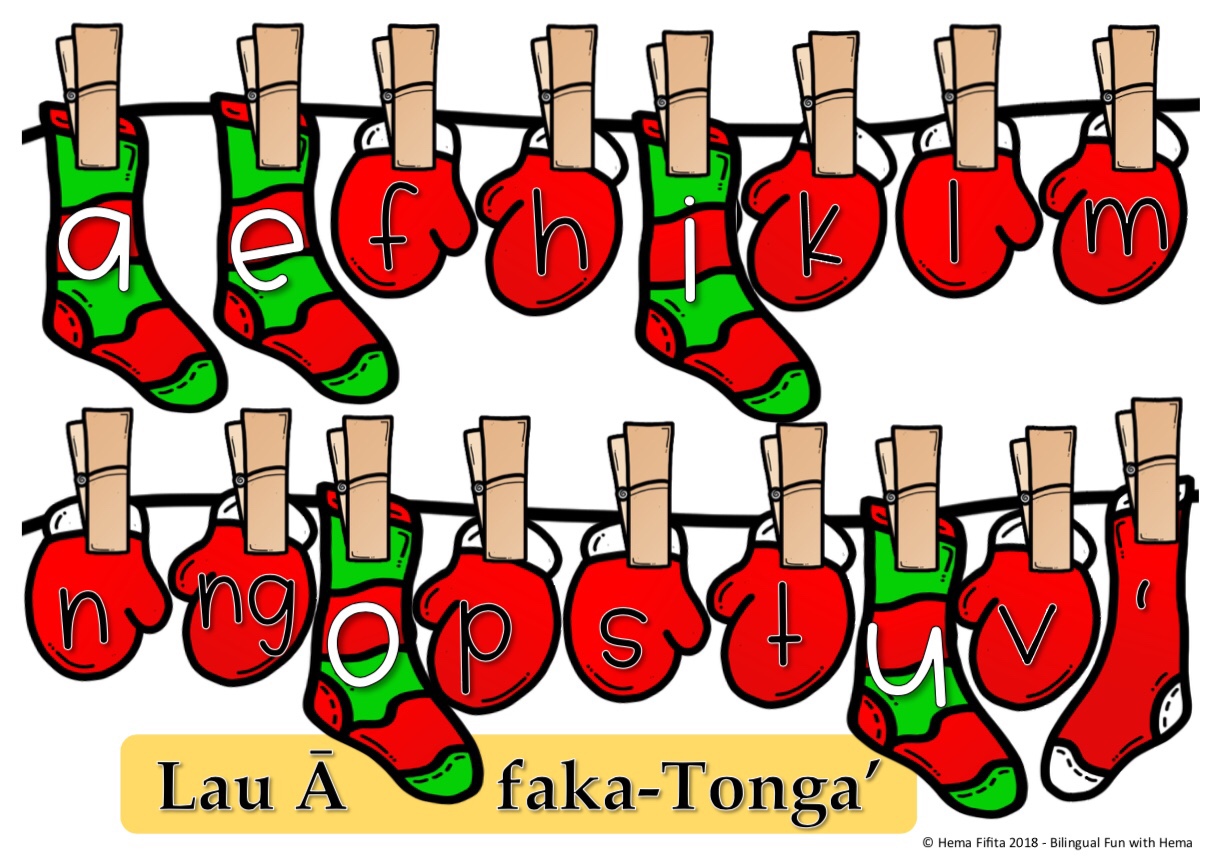
Christmas greetings and a gift from me to you. Feel free to print and add to your Season decorations at home. I believe Our children can not be what they can not see. The more normal it is to be surrounded by our language at every occassion our children will gravitate towards it.
ʻOfa atu Hema
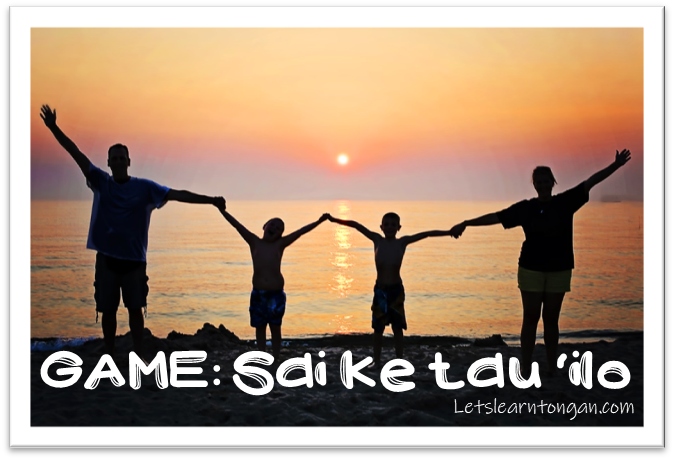
An important feature about our Tongan culture is our value of Tauhi vā (keeping our relations close). However as our extended families grow and move further away it does get harder to keep in touch. It is important to take advantage of the times that families do get together to bond and keep those family ties strong. So here is a great game to connect reminisce and laugh and will defintely bring all generations closer by sharing stories.
We gathered for Fathers day and played this last night and there was plenty of laughter and emotional tears at times reminiscing of loved ones not here. And the best part of it all was the younger generation who were glued to their seats listening to all the stories rather than in their rooms on the devices. So when you have a captive audience take advantage of it and tell them all the stories of life in Tonga, explain cultural concepts behind the stories you share.
The saying “sai ke tau ʻilo” is a typical saying you will hear often meaning ʻgood to know’ often said in a somewhat sarcastic way.
GUIDE TO PLAY: SAI KE TAU ʻILO
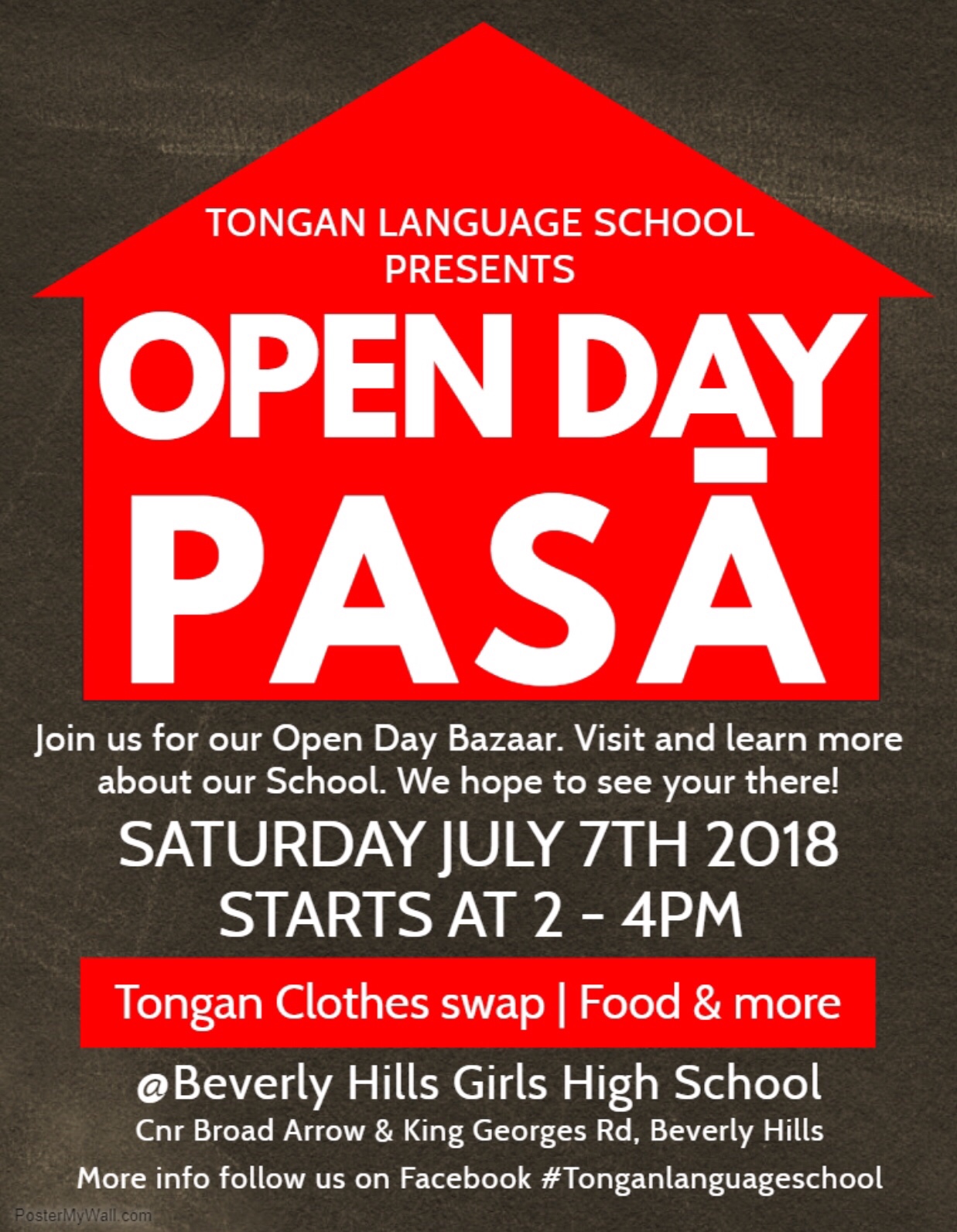 Mālō e lelei kaunga ako, siʻotoʻofa!
Hello fellow learners! I am always thinking of how i can engage my young learners not only to ignite in them a love of learning for our language but also give them an authentic learning experience.
This school term we are learning about clothes and Tongan clothes in particular tupenu, sote aloha, puletaha. I promised my students they would run a store somehow at the end of term and i am so excited our class will be hosting a Tongan clothes swap. This is a great idea given all the Tongan vala that we have lying around. Why not swap it pass it on to someone else to enjoy.
For a tiny nation we have so much to be proud of. Pita Lolo carried our flag proudly at Rio Olympic Games in 2016 and this year we are cheering as Mate Maʻa Tonga play to victory #RLWC2017.
When I consider how a tiny nation continues to accomplish despite its size, I am reminded of these two quotes.
“Ko Tonga moʻunga ki he loto” – Tongan Proverb
The first is a proverb meaning Tonga’s strength-hold is its heart. Moʻunga means mountain and Tonga is not known for mountains yet we have a courageous spirit that when faced with a mountain and the challenges that it brings we do not shy away.
“We should not be defined by the smallness of our islands, but by the greatness of our oceans. We are the sea, we are the ocean. Oceania is us”. – Epeli Hauʻofa
The second is a quote by author Epeli Hauʻofa. We Tongans DO NOT define ourselves by the size of our small islands. Perhaps it has something to do with the fact that we have never been colonized, but we Tongans define ourselves more by the vastness of what was once the Tongan maritime empire.
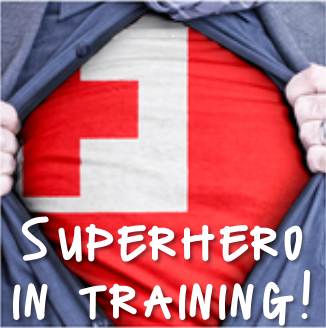
For my children and the younger students that I teach the Tongan language to, I like to put things simply that they can understand and relate to. “You come from a line of warriors, You are a superhero in training!”
Your superpower is your language. Your superpower is your culture. “Ko Tonga moʻunga ki he loto”. Always remember who you are and the faith and prayers of your family and ancestors. Take the time to learn as much as you can of your culture and language. Embrace your superpower. Use it for good!
Tuʻa ʻofa ʻeiki atu Hema
Koe lea ʻoe Uike’. The word of the week!
Greetings, our learning journey for this new year begins with a word of the week or more like my favourite word or a new word that iʻve come across.
 It is a Tongan greeting which you donʻt often hear as the more popular greeting of mālō e lelei. If you grew up in Tonga then you are probably familiar with the word but for most of us raised outside the kingdom this will interest you.
As with all new words you learn, you quickly become aware of the word around you. And the more i come across it, the more i love it.
Reading one of the Maui legends in Tongan, Maui greets a lady on one of his epic journies with Siʻoto ʻofa fefine! Greetings Lady!
In the Tongan bible Angel Gabriel comes to the Virgin Mary (Luke 1:28) “the angel went to her and said siʻoto ʻofa you who are higly favoured, the lord is with you.” Note there is no mālō e lelei!.

Then on a recent post on facebook i noticed the same greeting on my grandfathers grave. The translation being ‘Dear greetings to you Rev. S Lemoto Tongilava beloved father’.

This greeting has now become a favourite of mine. It just seems more poetic than mālō e lelei so i will be using it more often.
Happy Learning, Tuʻa ʻofa atu Hema 👋🏽
 Let's learn Tongan